
How to capture the GCLID in GoHighLevel
Learn how to capture the GCLID with each new contact in GoHighLevel and send it back to Google Ads as an Offline Conversion
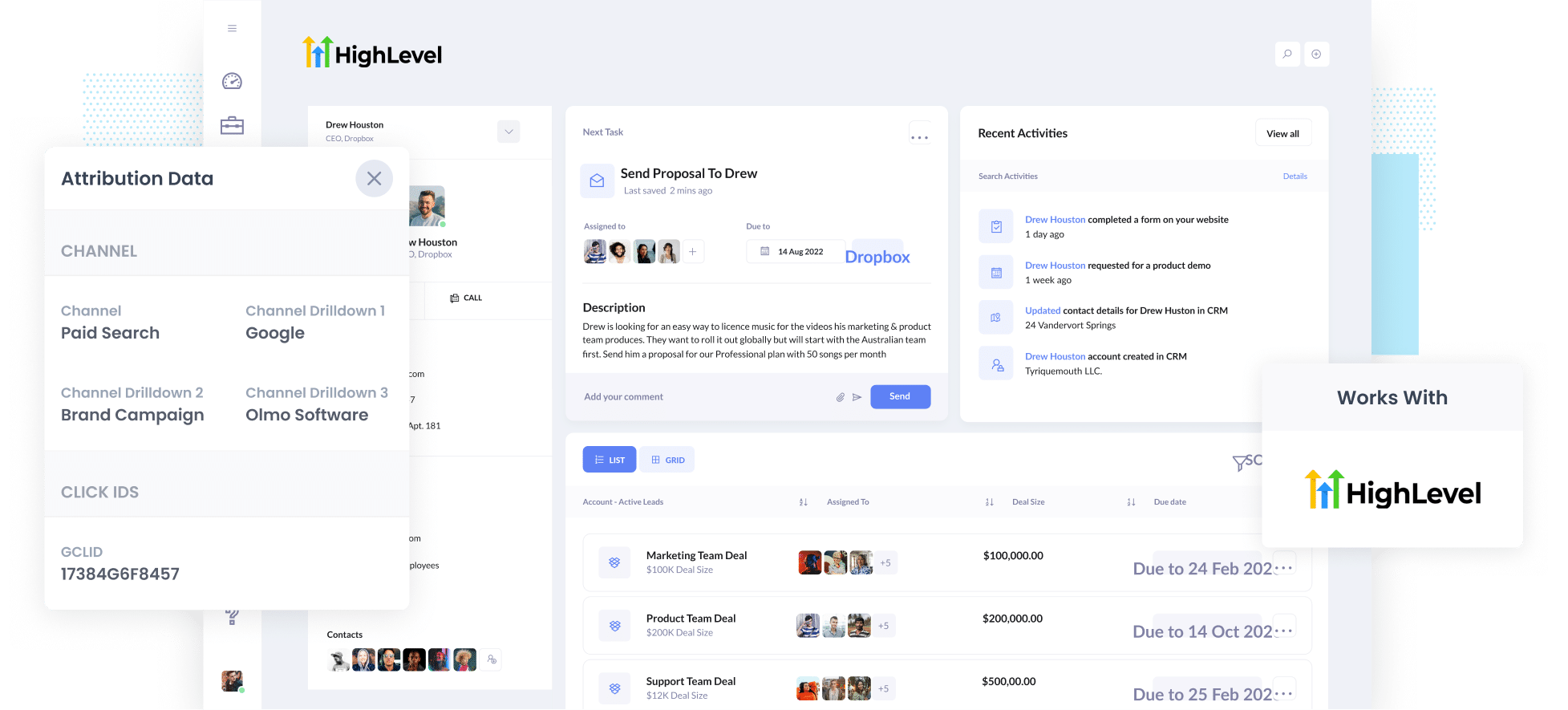
Use Attributer to capture the GCLID in GoHighLevel. Simply add hidden fields to your forms, Attributer writes the GCLID into them, and the data flows into GoHighLevel with each new contact. It even captures other lead source information (like UTM parameters, leads from organic channels, etc)
Running Google Ads is one of the most effective ways to generate new leads for your business.
But without knowing which of those leads actually convert into paying customers, you might be spending money on campaigns that aren't pulling their weight.
The good news? There's a solution.
In this article, we'll walk you through how to use a tool called Attributer to capture the GCLID in GoHighLevel and send it back to Google Ads to track offline conversions.
4 steps for capturing the GCLID in GoHighLevel
Capturing the GCLID is simple when you use Attributer. Here’s how the process works:
1. Install Attributer on your website and add a hidden field

To get started, sign up for a 14-day free trial of Attributer. You'll be given a small snippet of code to add to your website.
The installation process varies slightly depending on your website builder (WordPress, Webflow, Squarespace, etc), but you can typically add the code through your site's settings area. You can also add it via Google Tag Manager if you prefer.
Once the code is installed, you'll need to add a 'GCLID' hidden field to your website forms. This creates a place for Attributer to write the GCLID so it gets captured every time someone submits a form on your site.
Full guides for completing all of these steps can be seen on our help site.
2. Attributer captures the GCLID and writes it into the hidden field
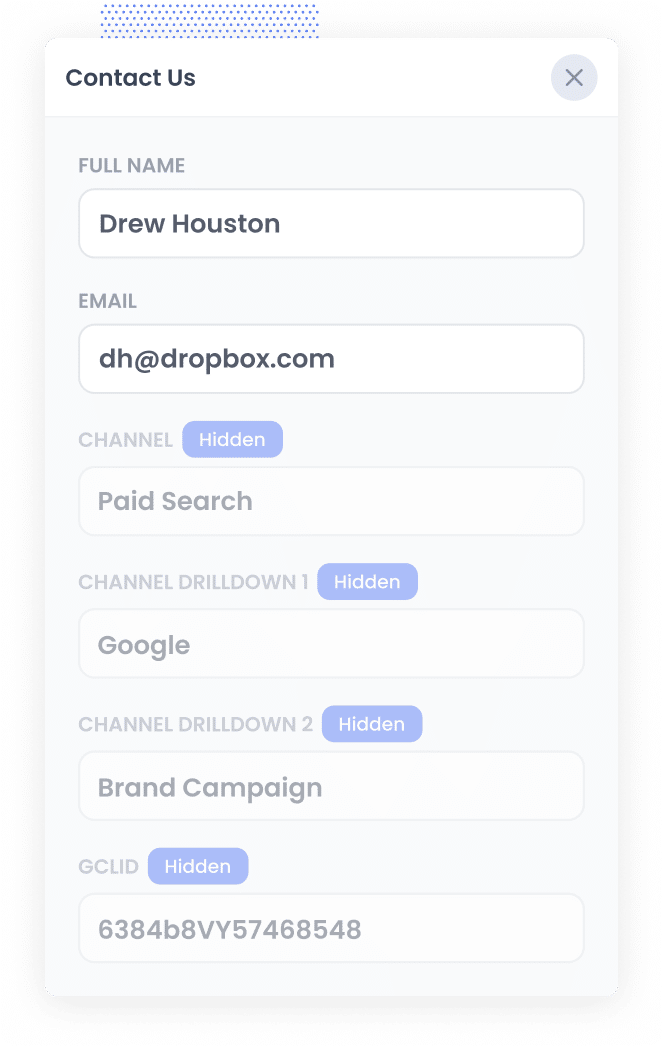
When a visitor clicks one of your Google Ads and lands on your website, Attributer grabs the GCLID from the URL and saves it in their browser. This ensures that even if the visitor browses through several pages before filling out a form (or leaves your site and returns another day), the GCLID from their initial visit is always preserved.
Then, when they fill out a form on your site, Attributer automatically populates the hidden field with the stored GCLID.
3. GCLID is captured with each form submission
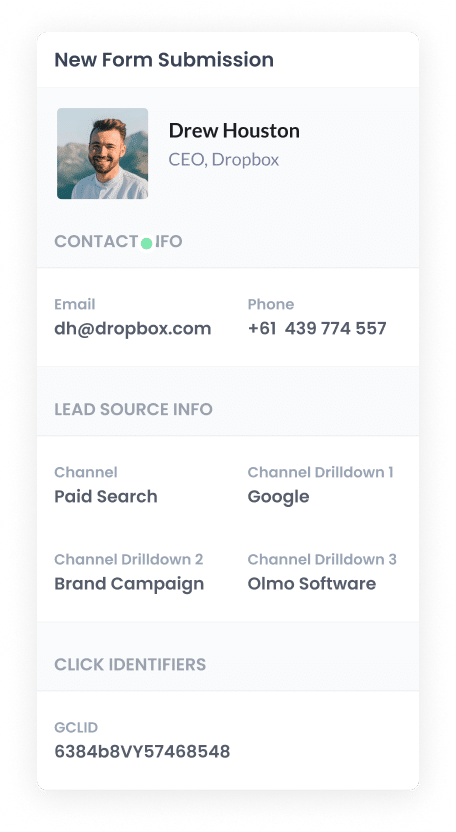
When the visitor submits the form, the GCLID is captured by your form tool alongside all the other details the lead provided (such as their name, email, phone number, etc.)
3. GCLID is passed to GoHighLevel with each new contact
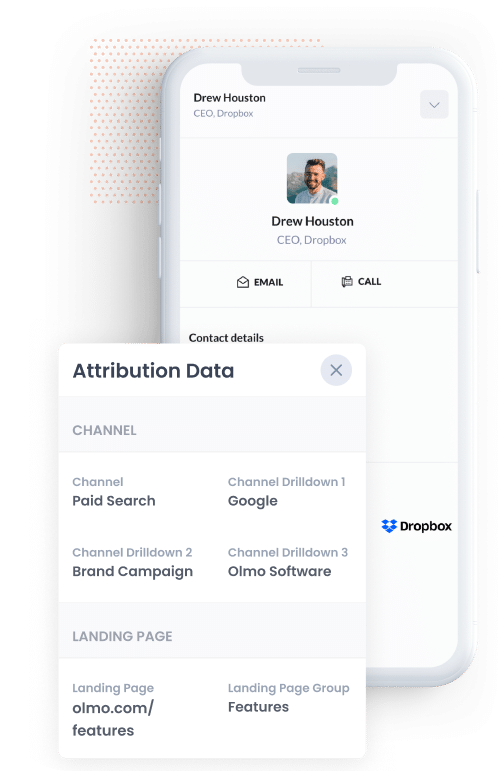
Finally, the GCLID can be passed to GoHighLevel along with all the other details the lead entered into the form, like their name, email, phone number, etc.
You can do this using your form tool's built-in integration with GoHighLevel (if it has one), or through third-party tools like Zapier or Make.
How to send the GCLID back to Google Ads and mark it as an offline conversion
Before you can send the GCLID back to Google Ads, you'll need to create a new conversion action.
To do this, log in to your Google Ads account, click on Goals in the sidebar, and then select Conversions. From the Conversions page, click the button to add a new Conversion and choose 'Offline Conversion'.
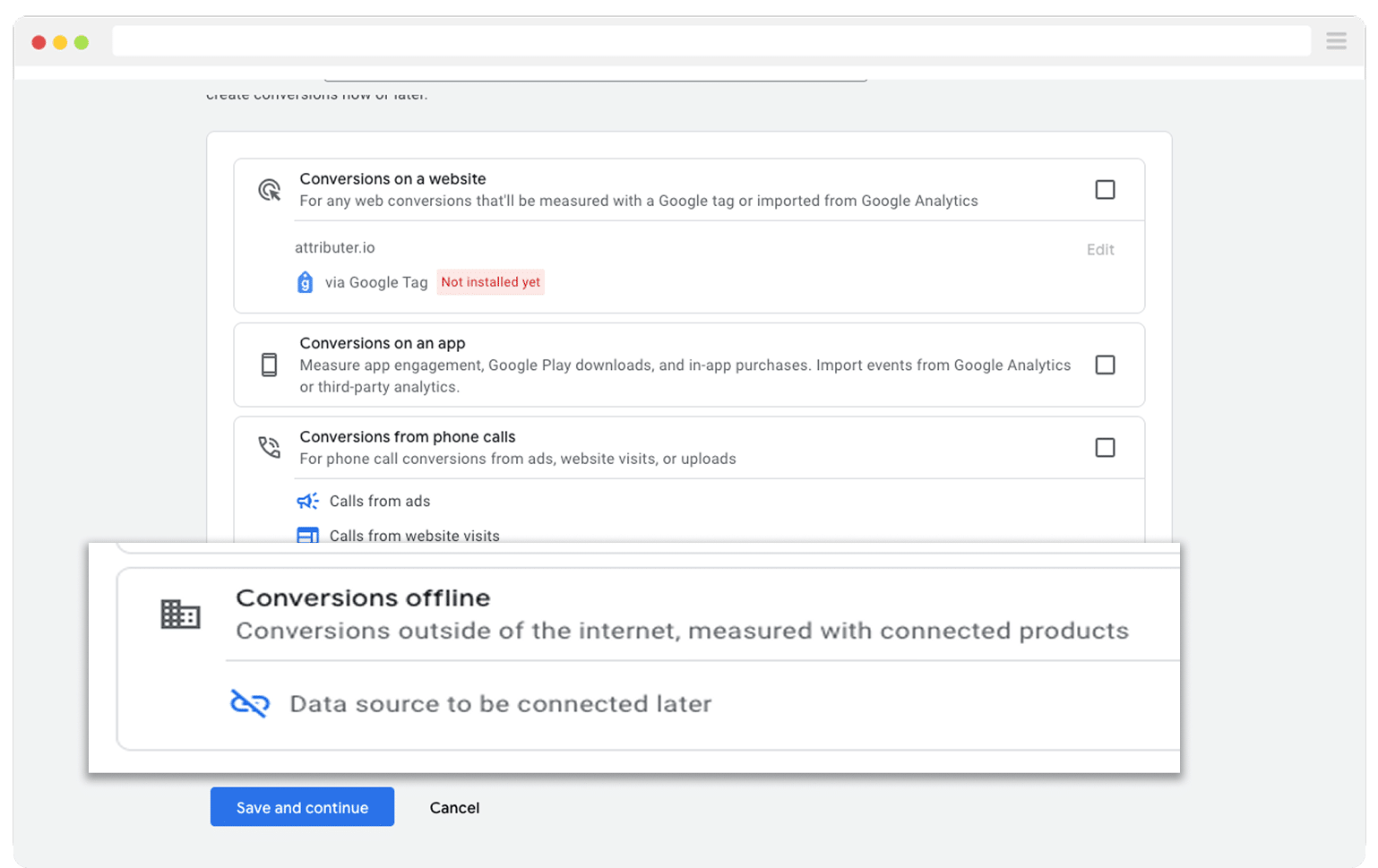
Then, on the final screen where it asks you to add a data source, choose the option to 'Add data source later'.
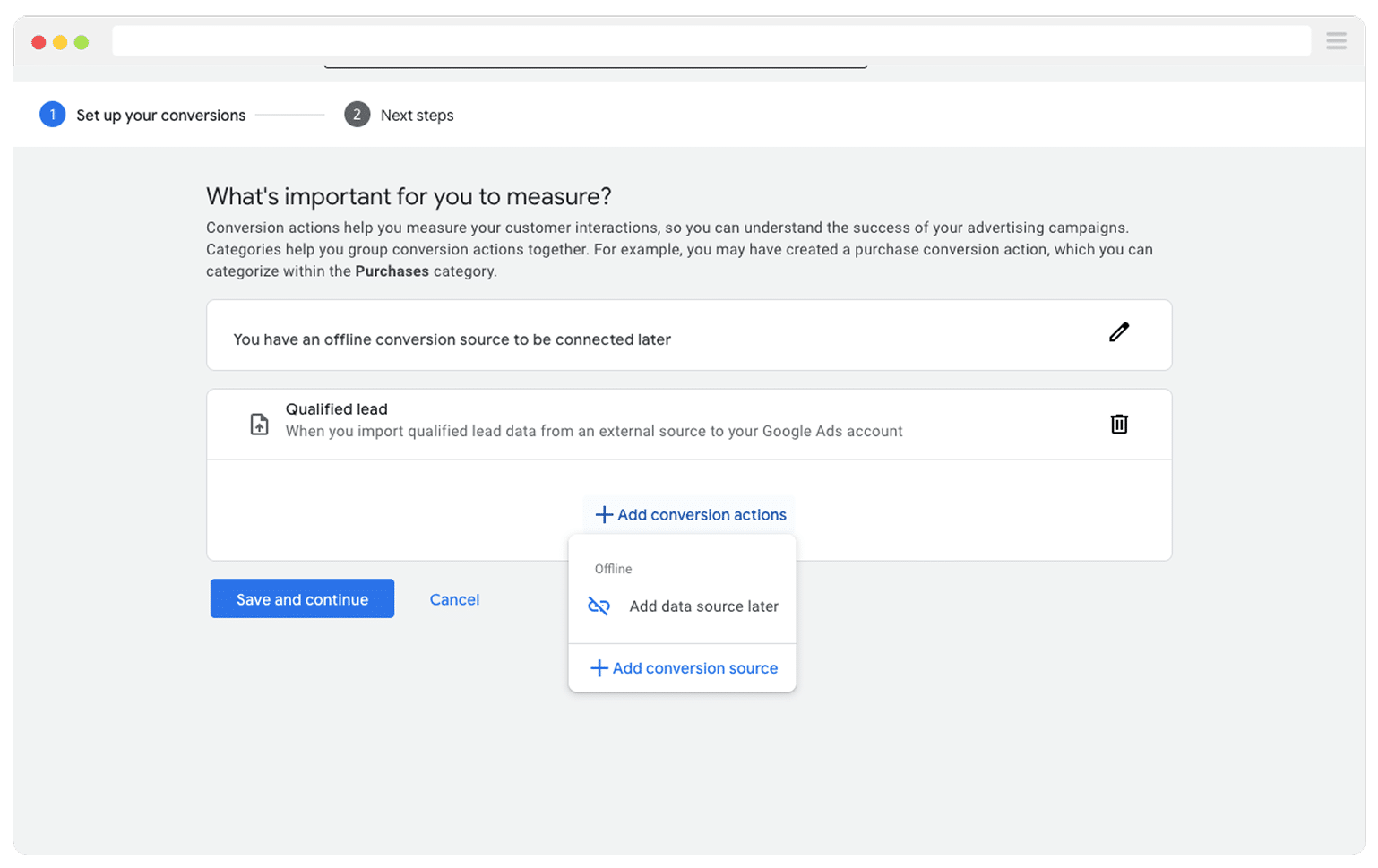
With the conversion set up in Google Ads, the next step is to start sending the GCLID back. But first, you need to decide which stage in your sales process should count as a conversion.
Your first thought might be to wait until a deal is closed before reporting the conversion to Google Ads. That sounds logical, but it can actually hurt your campaign performance. Google's smart bidding strategies (such as Maximise Conversions, Maximise Conversion Value, or Target CPA) need at least 50 conversions per month to work well. So if you're closing fewer than 50 deals a month, it's worth tracking an earlier stage in your pipeline (like when an Opportunity is created in GoHighLevel) to give Google enough data to optimise.
Once you've picked your conversion point, log into your Zapier account and set up a new Zap. Configure the trigger to match the conversion point you chose. For instance, if you decided to send the offline conversion when an Opportunity is created in GoHighLevel, set that as your trigger.

Next, choose Google Ads as the Action and select 'Send Offline Conversion' as the event.

Finally, map the GCLID from GoHighLevel to the correct field in Zapier.

That’s it! You have now set up offline conversions in Google Ads. It’s a good idea to test it’s working before piling money into ads, and you can read more about how to do that here.
Why Attributer is the best way to capture the GCLID in GoHighLevel
There are a few different ways you could capture the GCLID in GoHighLevel, so what makes Attributer the best option?
Here are the key reasons:
1. Remembers the GCLID as visitors browse your site
A lot of form tools offer built-in URL parameter capture, but they only pull whatever is in the URL at the moment the form is submitted.
So if someone clicks your Google Ad, arrives on your homepage, and then navigates to your Contact Us page to fill out a form, the GCLID is no longer in the URL and won't be captured.
Attributer takes a different approach. It stores the GCLID in the visitor's browser, so whether they browse around your site before completing a form or leave and come back days later, the GCLID is always passed through.
2. Captures UTM parameters as well
Attributer does more than just capture the GCLID. It can also capture any UTM parameters you include in your ad URLs.
For example, if you're managing marketing for a law firm and a visitor clicked one of your Google Ads before completing a form on your site, Attributer could pass through the following data (depending on the UTM parameters behind your ads):
- Channel = Paid Search
- Channel Drilldown 1 = Google
- Channel Drilldown 2 = Personal Injury Campaign (or whatever your campaign is named)
- Channel Drilldown 3 = Car Accident Lawyer (or whatever keyword you are bidding on)
- Channel Drilldown 4 = Free Case Review Ad (or whatever ad they clicked)
3. Captures information on users from organic channels
On top of paid channel data, Attributer also captures attribution information on leads who arrive at your website through organic channels like Organic Search, Organic Social, Referral, Direct Traffic, and more.
Sticking with the law firm example, if a lead discovered your site through a Google search, Attributer would pass through the following details:
- Channel = Organic Search
- Channel Drilldown 1 = Google
- Channel Drilldown 2 = www.google.com (or whatever Google domain they came from)
- Channel Drilldown 3 = Car Accident Lawyer Seattle (or whatever keyword they searched, when available)
Wrap Up
If you're looking to capture the GCLID in GoHighLevel (with the end goal of sending it back to Google Ads as an offline conversion), Attributer is an excellent way to make it happen.
It retains the GCLID as visitors navigate around your site (or even if they leave and return later) and passes it through every time a lead submits a form. Beyond that, you'll also receive a wealth of additional data on your leads (UTM parameters, organic search data, and more), giving you the ability to track where ALL your leads and customers are coming from (not just those from your Google Ads).
Best of all, it's free to get started and usually takes less than 10 minutes to set up. Start your 14-day free trial today!
Get Started For Free
Start your 14-day free trial of Attributer today!

About the Author
Aaron Beashel is the founder of Attributer and has over 15 years of experience in marketing & analytics. He is a recognized expert in the subject and has written articles for leading websites such as Hubspot, Zapier, Search Engine Journal, Buffer, Unbounce & more. Learn more about Aaron here.