
How to capture the GCLID in Framer forms
Learn how to capture the GCLID with each submission of your Framer forms and send it to your CRM and other tools (and back to Google Ads).
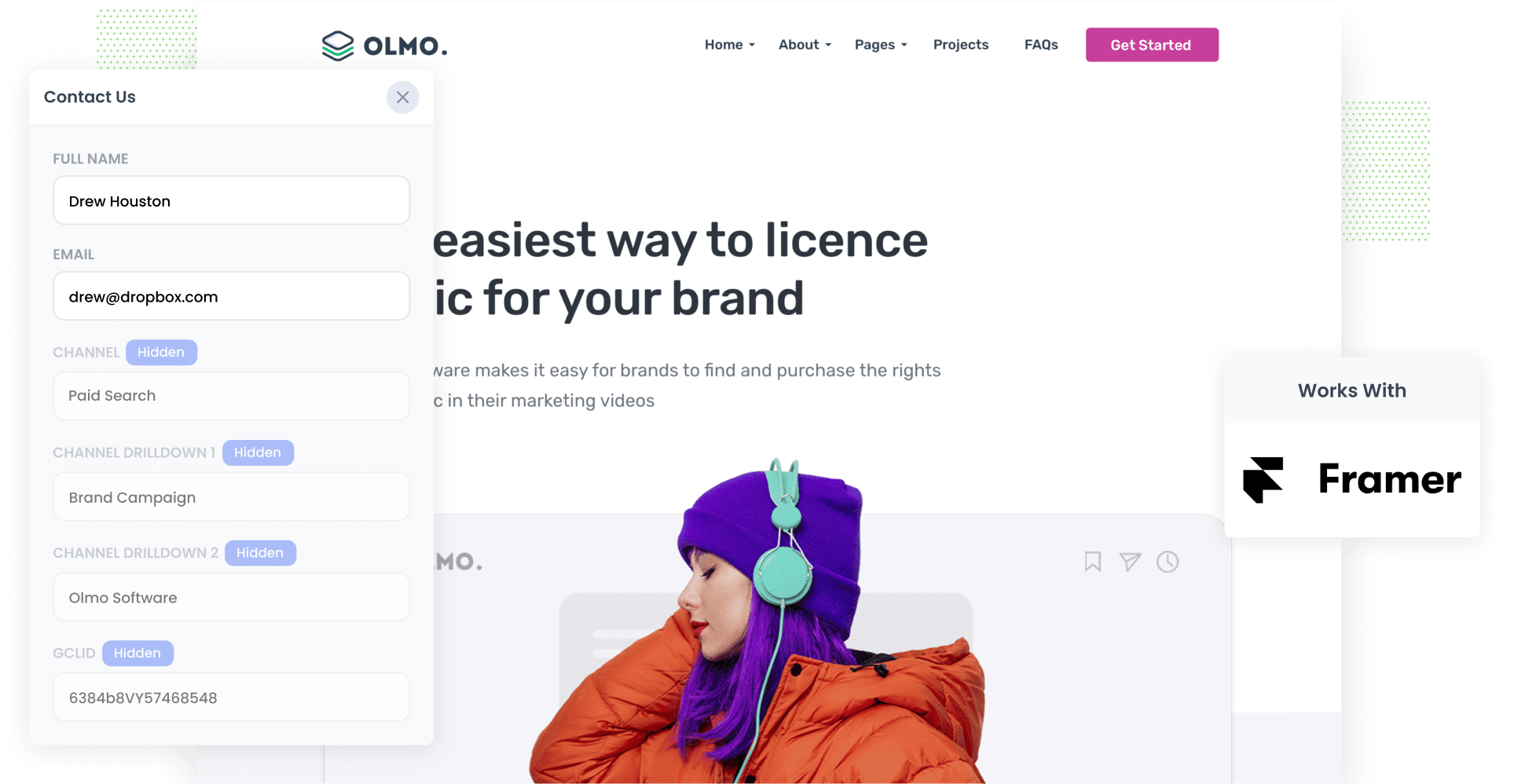
You can capture the GCLID in Framer using Attributer. Simply add a hidden field to your forms, Attributer writes the GCLID into it, and it is captured with the form submission. It also captures other data too (like UTM parameters, organic search data, and more).
Running Google Ads but can't tell which campaigns are actually bringing in leads and customers? You're not alone.
Google Analytics shows you how many visitors came from your ads, but it won't tell you which ones turned into real leads or paying customers. That makes it tough to justify your spend or know where to invest more.
The good news? There's a solution.
In this article, I'll show you how to use Attributer to capture the GCLID with every Framer form submission and send that data to your CRM and back to Google Ads as an offline conversion.
3 steps for capturing the GCLID in Framer forms
Capturing the GCLID is simple when you use Attributer with Framer. Here's how it works:
1. Install Attributer on your website and add a hidden field

When you sign up for a 14 day free trial of Attributer, you'll get a small piece of code to add to your site.
To install it on Framer, head to your Site Settings, then click on the Custom Code section. From there, paste the Attributer code into the End of Head field.
Next, you'll need to add a hidden field to your Framer forms. Just add a hidden field component to your form and set the default value to [gclid]. This gives Attributer somewhere to write the GCLID so it gets captured with every submission.
2. Attributer writes the GCLID into the hidden field
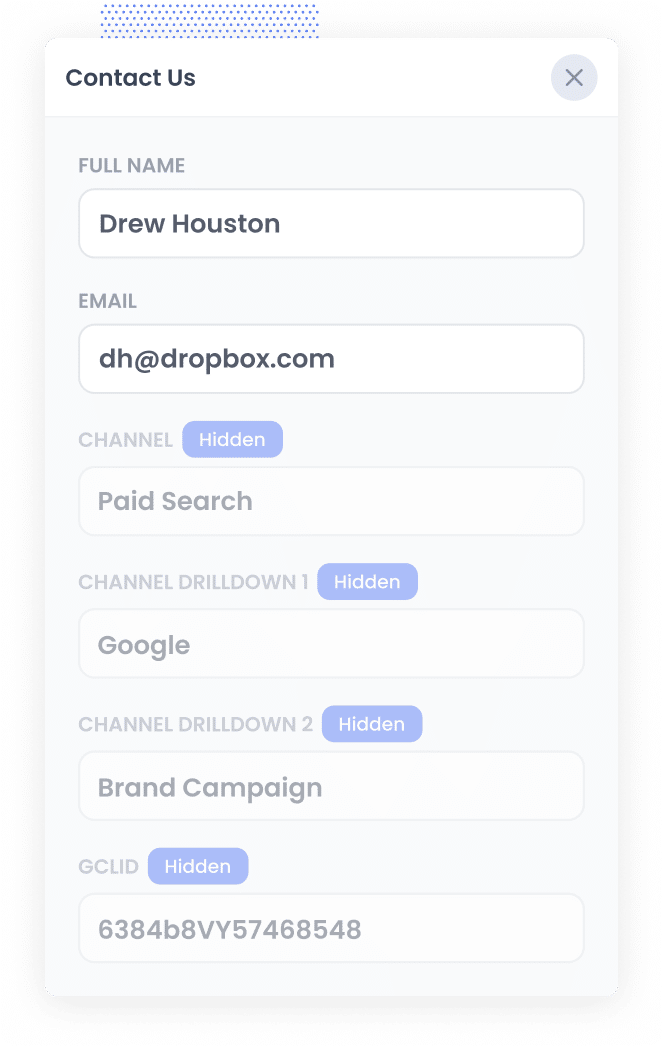
When a visitor lands on your site after clicking one of your Google Ads, Attributer grabs the GCLID from the URL and saves it in their browser. So even if they spend time browsing your site before filling out a form (or leave and come back another day), that original GCLID is still there.
Then, when they eventually submit a form, Attributer writes the stored GCLID into the hidden field you created earlier.
3. GCLID is captured with each form submission
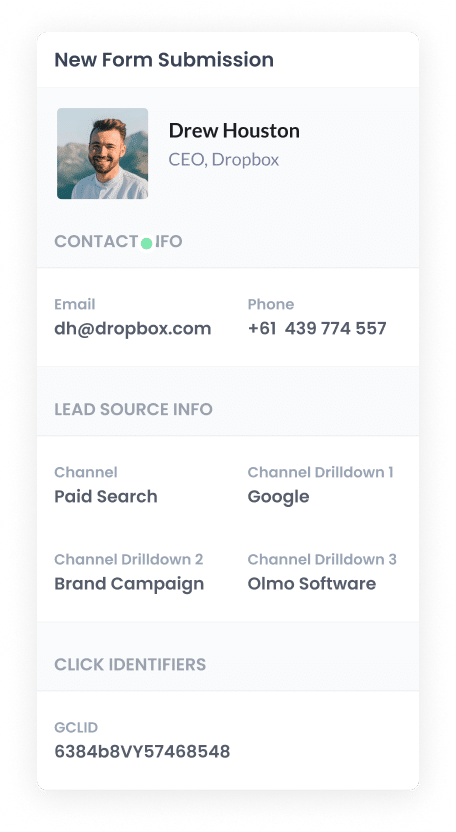
When the form is submitted, Framer captures the GCLID along with all other lead data (such as name, email, and so on).
From there, you can send the GCLID to your CRM and other tools using Framer's built-in webhook functionality or through a third-party tool like Zapier or Make.
How to send the GCLID back to Google Ads and mark it as an offline conversion
Before you can send the GCLID back to Google Ads, you'll need to create a new conversion action.
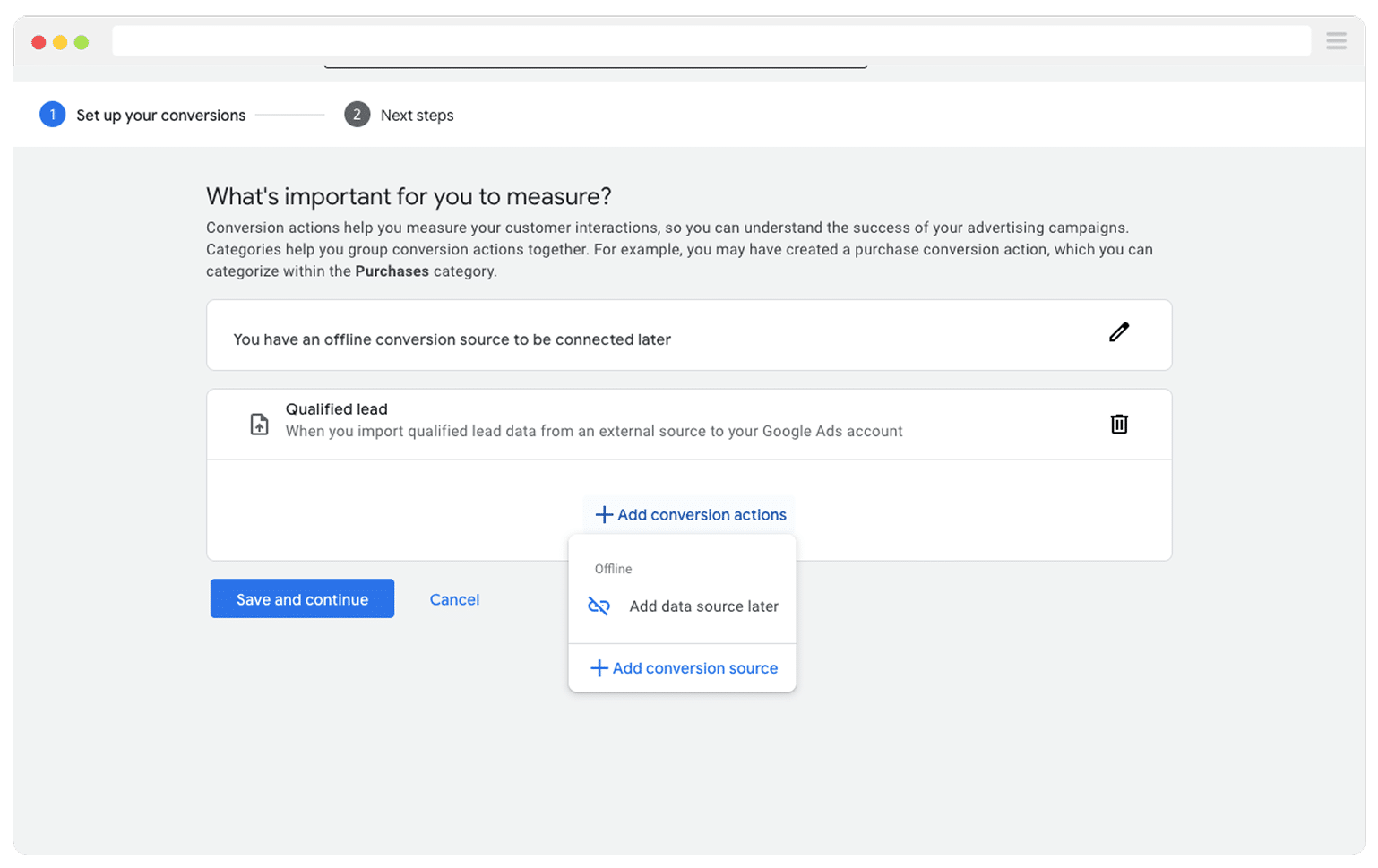
To do this, head into your Google Ads account, click on Goals in the sidebar, and go to Conversions. From there, hit the button to create a new conversion and select Offline Conversion from the options.
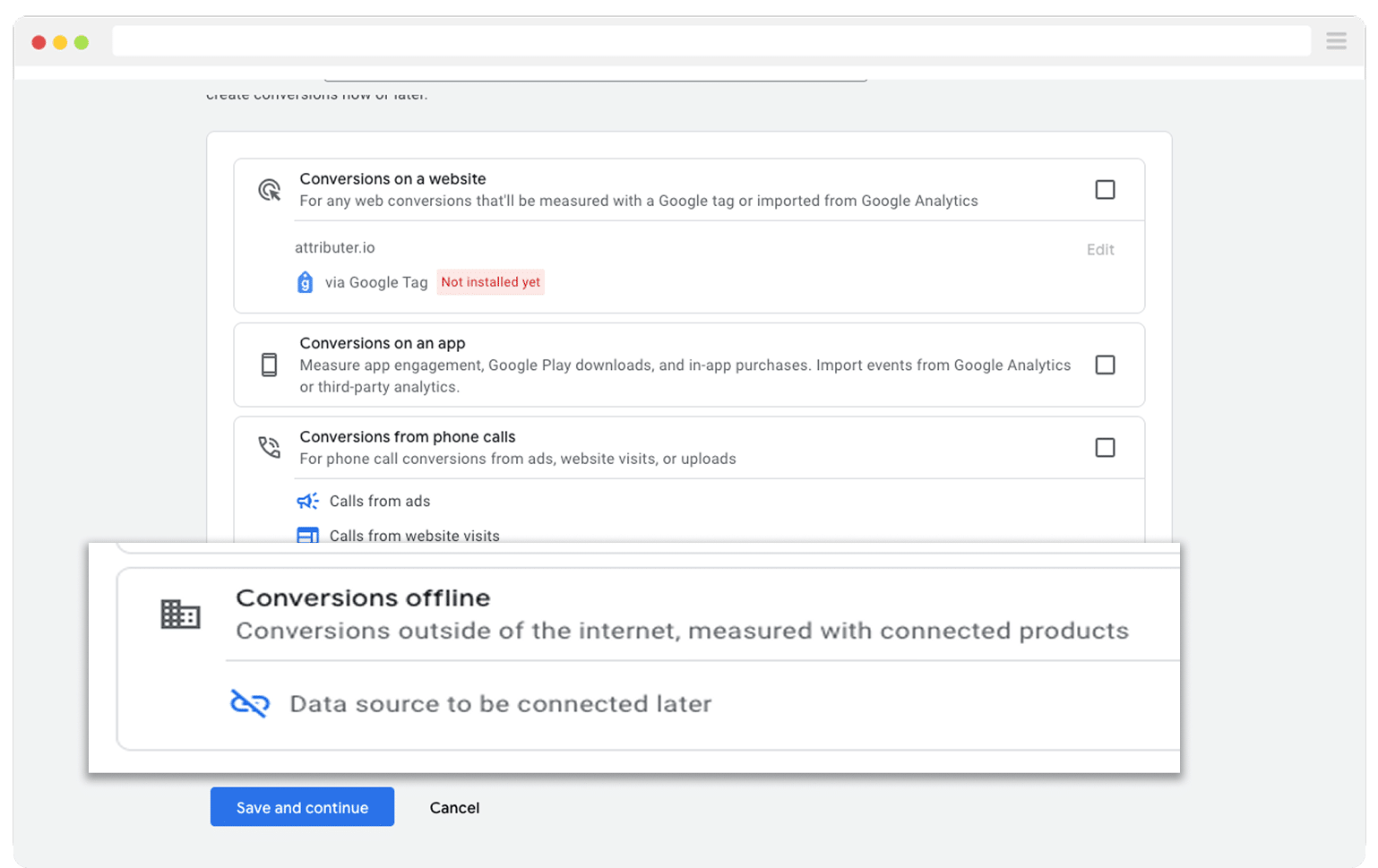
Then, in the final screen when it asks you to add a data source, select the option to ‘Add data source later’.
Once your conversion is set up in Google Ads, you need to decide when in your sales process to send the GCLID back to Google. The trick is picking the right moment in your sales process to do this.
Many businesses wait until a deal is fully closed before sending the conversion to Google Ads. That sounds logical, but it can actually work against you. Google's smart bidding strategies (like Maximise Conversions, Maximise Conversion Value, or Target CPA) generally need at least 50 conversions per month to really work well.
If you're not closing 50 deals a month, you're better off tracking an earlier step in the process, like when a new deal gets created in your CRM. That gives Google enough data to actually optimise your campaigns.
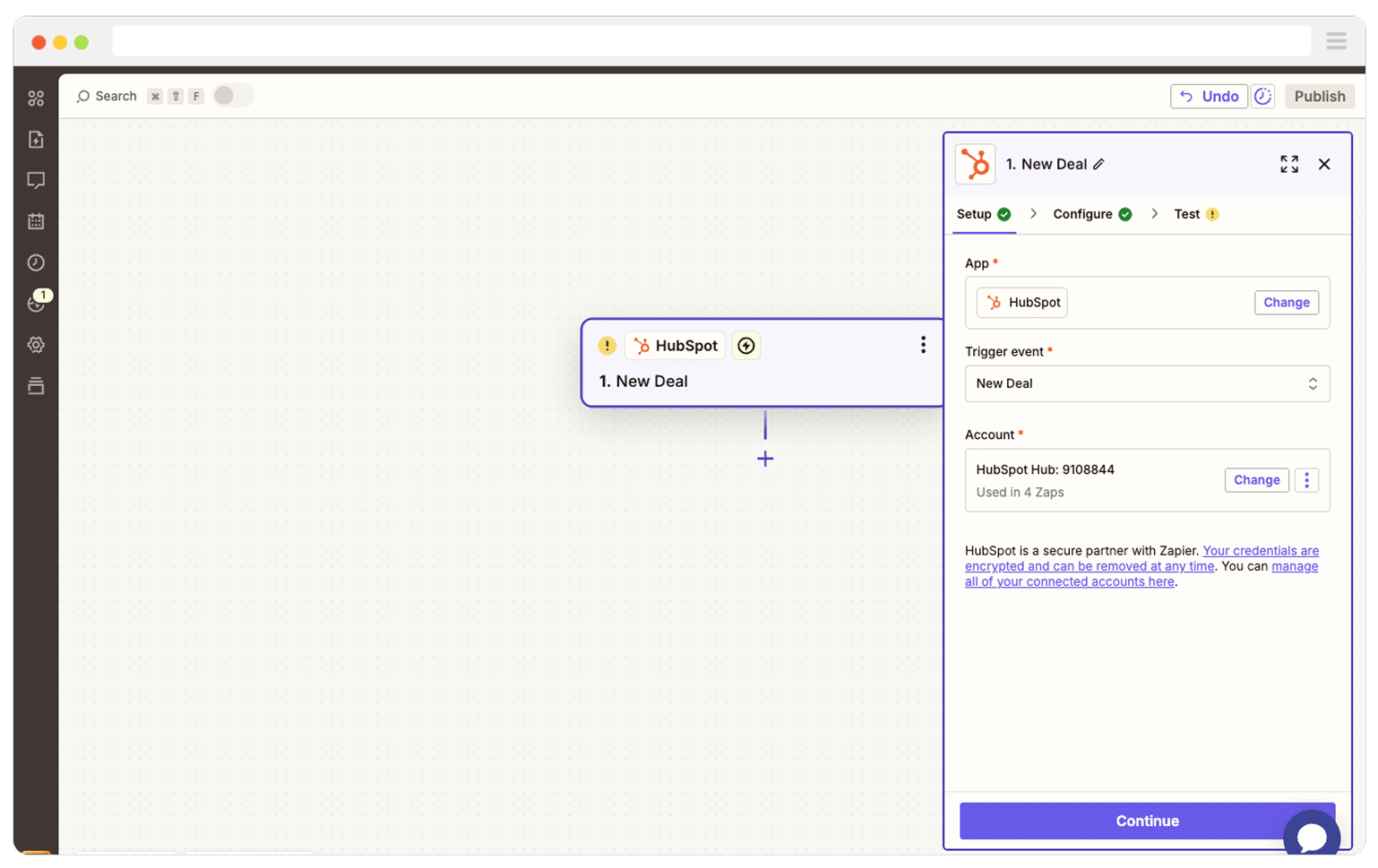
Once you've picked your trigger point, head into Zapier and create a new Zap. Set the trigger to match the moment you chose. For example, if you want to send the offline conversion when a deal is created for a contact, that's what you'd select as your trigger.
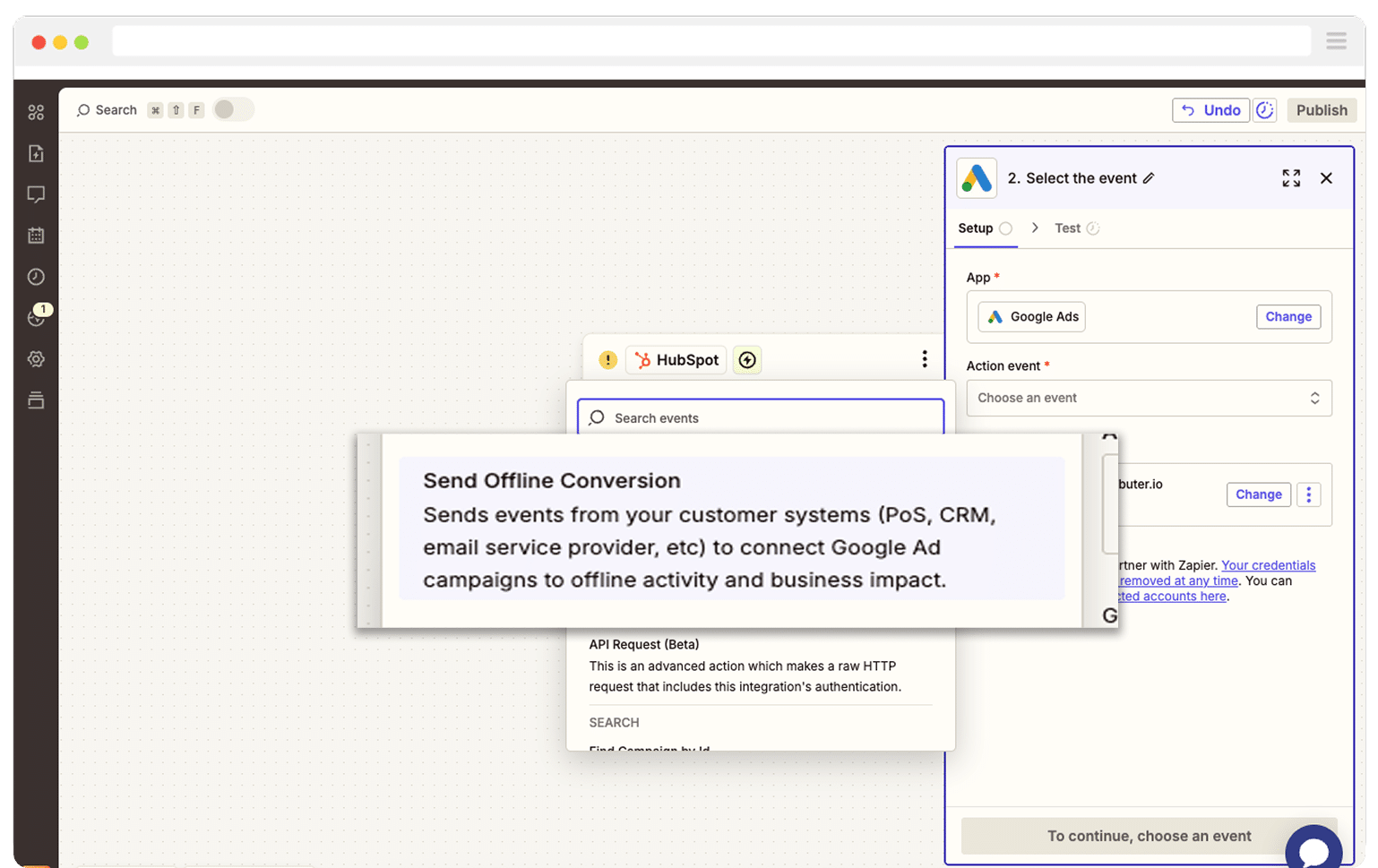
Next, select Google Ads as the Action and then select the ‘Send Offline Conversion’ as the event.
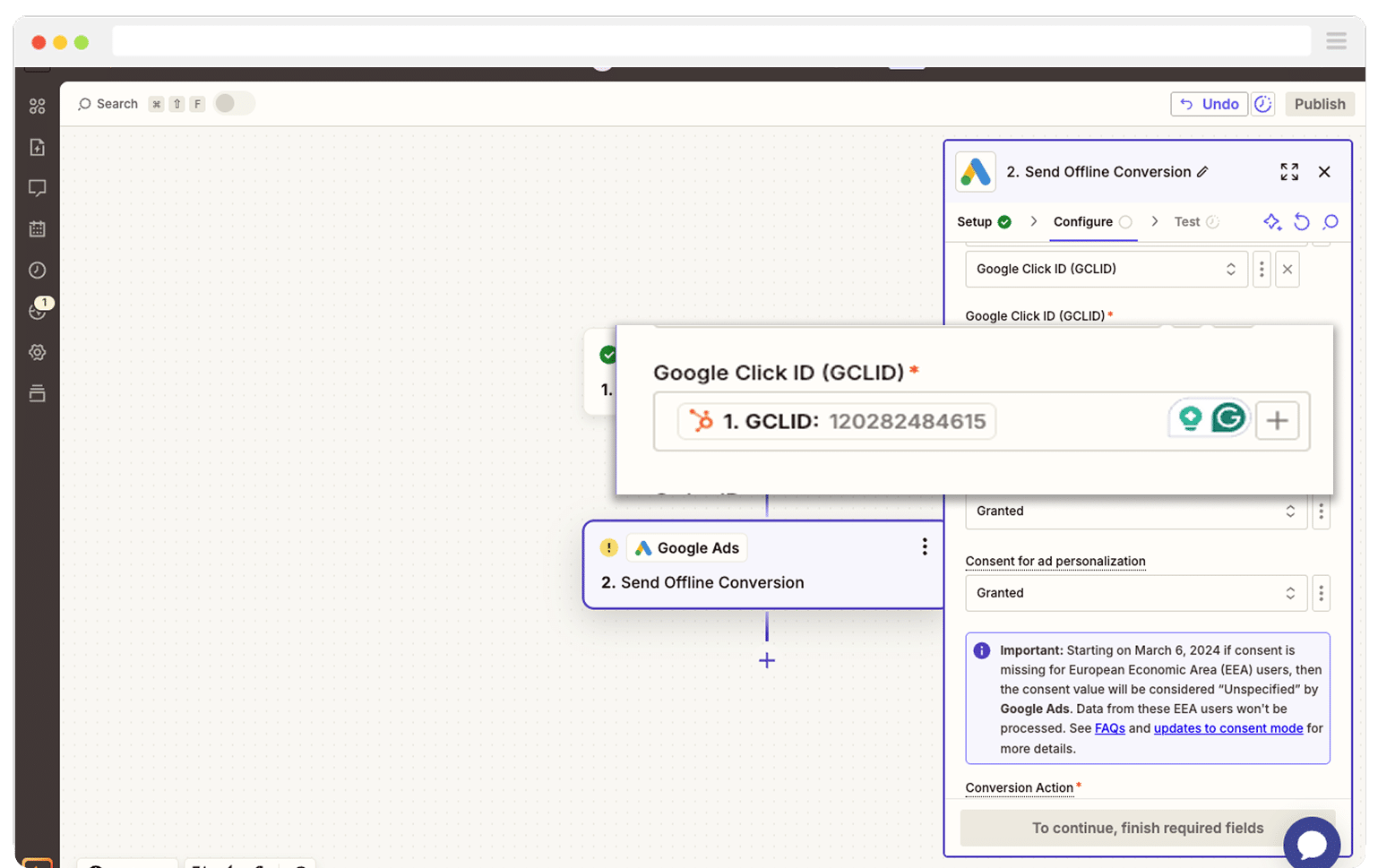
Finally, you just need to map the GCLID from your CRM (or wherever you are storing it) to the correct field in Zapier.
That’s it! You have now set up offline conversions in Google Ads. It’s a good idea to test it’s working before piling money into ads, and you can read more about how to do that here.
Why Attributer is the best way to capture the GCLID in Framer forms
There are other ways to capture the GCLID in Framer forms, so what makes Attributer the best choice?
Here's why it's the way to go:
1. Remembers the GCLID as visitors browse your site
Most other methods only capture the GCLID if it's still in the URL when someone submits the form.
That creates problems quickly. Say someone clicks your Google Ad, lands on your homepage, then heads over to your Contact Us page to fill out a form. The GCLID disappears from the URL and you lose it entirely.
Attributer handles this differently. It stores the GCLID in the visitor's browser, so it doesn't matter if they browse around your site before completing a form (or even leave and come back a few days later). The GCLID gets captured every time.
2. Captures UTM parameters as well
Attributer doesn't just capture the GCLID. It also grabs any UTM parameters you've added to your campaigns.
For example, let's say you're running ads for a law firm. When someone clicks one of your Google Ads and completes a form, Attributer would pass this information into Framer (based on the UTM parameters behind your ads):
- Channel = Paid Search
- Channel Drilldown 1 = Google
- Channel Drilldown 2 = Family Law Campaign
- Channel Drilldown 3 = Divorce Lawyer Melbourne
- Channel Drilldown 4 = Free Consultation Ad
3. Captures information on users from organic channels
Attributer also captures details on leads who find your site through organic channels like Organic Search, Organic Social, Referral, or Direct Traffic.
Sticking with the law firm example, if someone discovers your business through a regular Google search, Attributer can pass through information like:
- Channel = Organic Search
- Channel Drilldown 1 = Google
- Channel Drilldown 2 = www.google.com (or whatever search engine domain they used)
- Channel Drilldown 3 = Divorce Lawyer Melbourne (or whatever keyword they searched for, if available)
How Attributer helped Harris Federal Law track which Google Ads are truly generating customers & revenue
Harris Federal Law Firm is a legal practice in Washington D.C that helps federal employees secure their benefits.
They were running Google Ads to bring in new customers and tracking website visitors in Google Analytics, but they had no way of knowing how many of those visitors were actually turning into leads and customers.
That's when they started using Attributer.
Now, every time someone submits a form, Attributer automatically writes attribution details (like campaign, ad group, ad, keyword, GCLID, etc.) into hidden fields on the form, and it is captured with the form submission.
With this data, the team could finally understand which campaigns were driving real leads and customers, not just website visitors who never converted.
They found that some of their display campaigns were sending loads of traffic but barely producing any paying clients. Armed with that insight, they moved budget into the search campaigns that were actually performing.
The outcome? They were actually able to get more customers with less ad spend.
"With Attributer we can see which campaigns are actually generating customers & revenue, rather than just website visitors. We were able to see that some of our campaigns were driving lots of visitors but few of them converted into leads and customers. Now we’re able to reinvest that budget into other campaigns that we can see are generating revenue."

Nick Child - Director of Marketing, Harris Federal Law Firm
Wrap Up
Want to capture the GCLID in Framer and send it to your CRM so you can fire offline conversions back to Google Ads? Attributer makes it easy.
It holds onto the GCLID as visitors browse your site (even if they leave and come back days later), and automatically includes it with every form submission.
Best of all, it's free to try, and you can be up and running in under 10 minutes. Start your 14-day trial today and begin capturing the GCLID in Framer right away.
Get Started For Free
Start your 14-day free trial of Attributer today!

About the Author
Aaron Beashel is the founder of Attributer and has over 15 years of experience in marketing & analytics. He is a recognized expert in the subject and has written articles for leading websites such as Hubspot, Zapier, Search Engine Journal, Buffer, Unbounce & more. Learn more about Aaron here.